
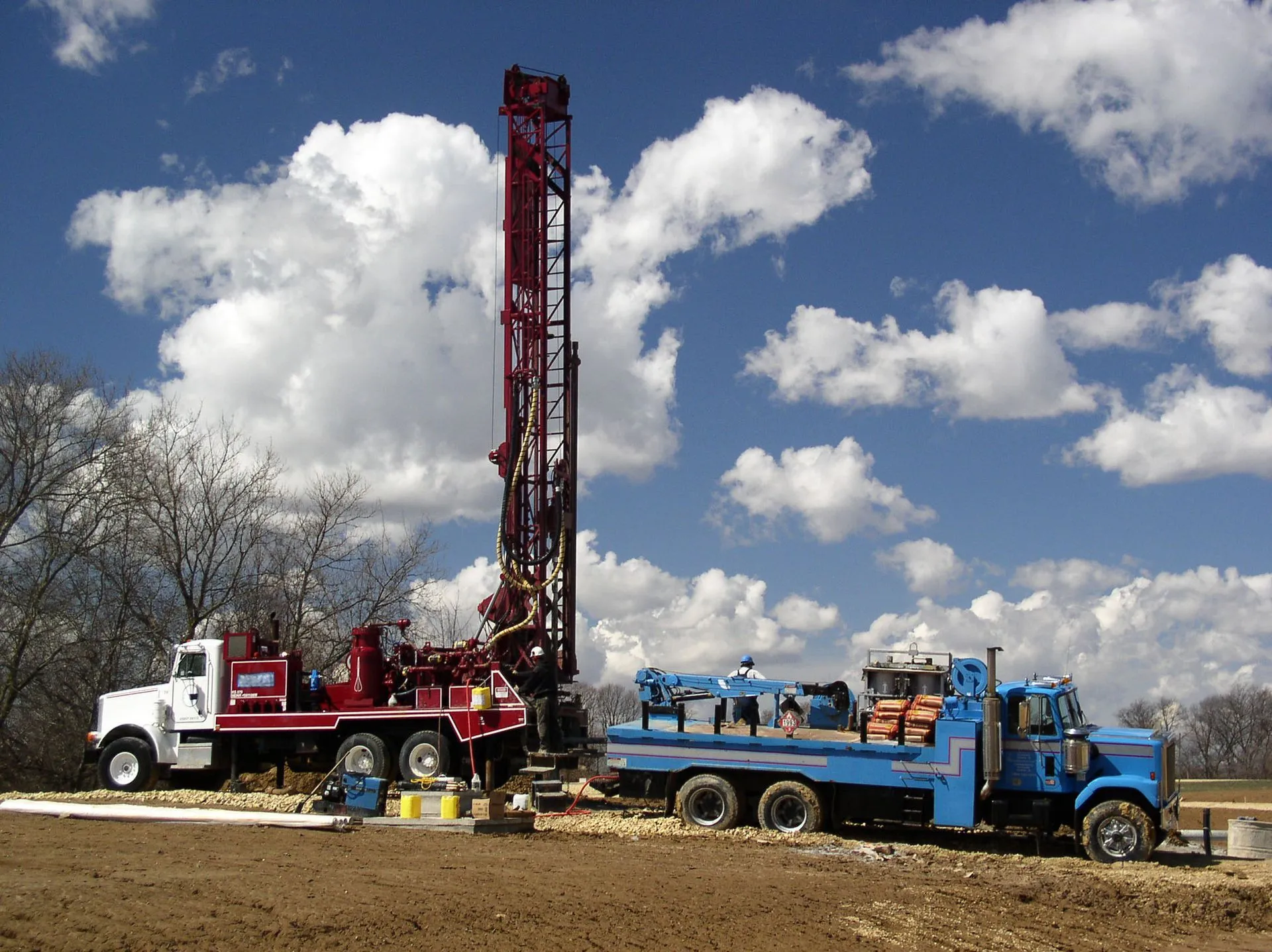
Clean groundwater is vital for your property, health, and everyday peace of mind. When installing a private water source, standard construction techniques fall short of protecting your water supply from surrounding environmental hazards. Proper installation protects your underground aquifer from surface runoff, industrial chemicals, fertilizers, and biological pollutants. Engaging professional well drilling services ensures your water system meets rigorous health guidelines and functions safely for decades. Underground aquifers store pure water, but reaching that water without disturbing the delicate surrounding environment requires technical precision. Every layer of soil, gravel, and rock acts as a natural filter, but penetrating those layers incorrectly destroys that natural barrier. When surface water mixes with underground reserves, restoring purity becomes exceptionally difficult and expensive. Investing in expert installation secures a long-term resource for your household or business while safeguarding regional environmental health. Beyond basic access, properly managed water sources prevent cross-contamination between different underground water tables, ensuring nearby properties also remain safe. Modern land development demands a careful balance between resource extraction and environmental preservation. Taking proactive steps during the initial planning phase saves thousands of dollars in emergency remediation later. Understanding how qualified professionals protect your water source helps you make informed choices for your land.
Recognizing the Hazards of Inadequate Well Construction
An improperly constructed borehole creates a direct channel for pollutants to reach pristine subterranean aquifers. Unsealed casings, shallow excavation depths, and substandard grout allow surface runoff containing road salt, pesticides, and heavy metals to bypass natural soil filtration completely. Additionally, inadequate spacing near septic tanks, livestock pens, or storm drains dramatically increases the risk of dangerous bacteria entering your daily supply. Utilizing qualified well drilling services eliminates these structural vulnerabilities from day one. When contractors rush construction or cut costs on materials, the structural integrity of the entire borehole suffers. Over time, ground movement and natural settling expand minor cracks into major structural failures. These failures allow contaminated surface water to trickle down the exterior of the casing. Once bacteria or industrial chemicals enter an aquifer, they spread rapidly throughout the underground network. Removing contaminants from an underground water source is a complex process that often takes years to complete. By prioritizing high standards from the outset, landowners protect their property value and the immediate safety of everyone consuming the water.
Selecting the Proper Mechanical Drilling Technique
Different geologic formations require specialized excavation methods to reach clean water without disturbing surrounding sediment layers. Rotary drilling, mud rotary, air rotary, and traditional cable tool techniques each serve specific soil composition, boulder density, and bedrock conditions. Professional contractors analyze local soil composition carefully to determine the precise method needed for a secure excavation. Choosing experienced well drilling services guarantees that technicians bring the correct heavy machinery and drill bits for seamless, stable excavation. Selecting an improper technique can cause the surrounding earth to collapse unexpectedly or fracture neighboring rock formations, creating unwanted pathways for surface contaminants. Experienced operators adjust their speed, air pressure, and torque based on real-time subterranean feedback. They continuously monitor drill cuttings coming to the surface to map the exact underground geology. This continuous monitoring allows technicians to identify the exact depth where pure water flows freely through gravel or fractured rock. By matching equipment precisely to ground conditions, experts minimize soil disturbance and prevent structural collapse during construction.
Installing High-Grade Outer Protective Casings
The protective casing acts as a continuous primary defense wall between your fresh drinking water and potential contamination sources. Heavy-duty steel or specialized thick-walled PVC pipes line the interior of the borehole to keep surrounding earth, clay, and sand from collapsing inward. Securing the perimeter prevents shallow, unfiltered groundwater from seeping down the outer sides of the shaft into the deep aquifer. Certified well drilling services inspect every casing joint and connection to maintain complete structural integrity deep underground. Casing pipes must extend above the ground surface to prevent high water levels, flash floods, or heavy rainwater from overflowing into the top opening. Choosing durable materials suited to local soil chemistry prevents early corrosion caused by acidic groundwater or harsh mineral deposits. When casings weaken or rust through, soil particles enter the water stream, damaging pumps, clogging pipes, and introducing external pollutants. Proper pipe installation also stabilizes the entire underground structure against natural seismic shifts and seasonal freeze-thaw cycles. Taking these extra measures ensures the well shaft remains stable and secure for generations.
Applying High-Density Surface Seals and Grouting
Grouting the annular space between the outer casing pipe and the surrounding raw earth prevents surface water from traveling downward into the aquifer. A durable, expanding mixture of bentonite clay or high-grade neat cement slurry fills this space completely from bottom to top. According to IBISWorld, the U.S. water well drilling services market size is $9.9 billion in 2026. This growing market underscores the strong national demand for secure, long-lasting water infrastructure. Reliable well drilling services execute meticulous high-pressure grouting procedures to seal out all surface contaminants permanently. Without a complete grout seal, rainwater flows directly along the smooth exterior of the casing pipe, carrying contaminants into deep water pockets. Bentonite clay expands when exposed to moisture, creating a tight, flexible barrier that adapts to subtle ground movements without cracking. Applying this protective seal requires specialized pumping machinery to ensure no air pockets or gaps remain inside the deep ring space. Expert installation guarantees a continuous sanitary barrier that blocks runoff from entering your water supply.
Determining Optimal Surface Location and Depth
Placing a water shaft requires careful spatial planning, legal setback adherence, and detailed environmental mapping. New installations must sit far away from potential hazard zones such as fuel storage tanks, sewer lines, manure pits, and chemical storage sheds. Drilling deep into confined aquifers beneath protective clay layers offers vastly superior safety compared to shallow surface aquifers, which remain highly vulnerable to seasonal weather patterns. Knowledgeable well drilling services conduct thorough environmental surveys to select the safest location and optimal depth for your property. Terrain features play a major role in choosing a safe site; locating a well at higher ground prevents surface water from pooling around the casing head during storms. Soil permeability, historic groundwater tables, and regional geology must also be considered before setting up drilling rigs. Reaching deeper aquifer layers often provides cleaner water that has undergone natural filtration through hundreds of feet of soil and sand. Professional mapping balances convenient property access with strict health guidelines to secure long-term protection for your water source.
Executing Routine System Maintenance and Inspections
Preventing ongoing water contamination is a continuous responsibility that extends far beyond the initial construction phase. Regular mechanical inspections spot minor casing wear, cracked sanitary surface seals, or pump hardware failures long before severe contamination occurs. Scheduled laboratory water testing catches hidden chemical shifts or dangerous microbial growth before noticeable symptoms arise. Partnering with established well drilling services gives you access to complete diagnostic care, cleanouts, and professional repairs throughout the full lifespan of your system. Environmental factors change over time due to nearby construction, agricultural shifts, or natural weather shifts, making routine checkups essential. Over years of continuous operation, mineral scale or biological sediment can accumulate inside the borehole, reducing water flow and impacting purity. Professional maintenance teams use deep specialized cameras to inspect the interior walls of your casing without digging up your lawn. Taking a proactive approach to upkeep protects your equipment investments and preserves clean water quality year after year.
Protecting your local groundwater requires experienced, dedicated professionals who prioritize safety, engineering precision, and long-term performance. In operation for over 135 years, Wahlfield Drilling Co provides expert solutions tailored specifically to your land and soil conditions. We offer free quotes within 24 hours to help you start your project with complete clarity and confidence. Contact us today to learn more about how we can secure your private water supply serving West Michigan.