June 30, 2026
By Mike Wahlfield | June 30, 2026
Water wells play a crucial role for homeowners, especially in rural areas, by providing a reliable source of water that can significantly reduce dependency on municipal systems. Understanding the process and implications of installing a water well is essential for those considering this option. This article explores the steps involved in water well installation, factors influencing the choice of location, associated costs, necessary regulations and permits, and tips for maintenance. Equip yourself with this fundamental knowledge to ensure a successful and sustainable water well project.
Understand the Water Well Installation Process
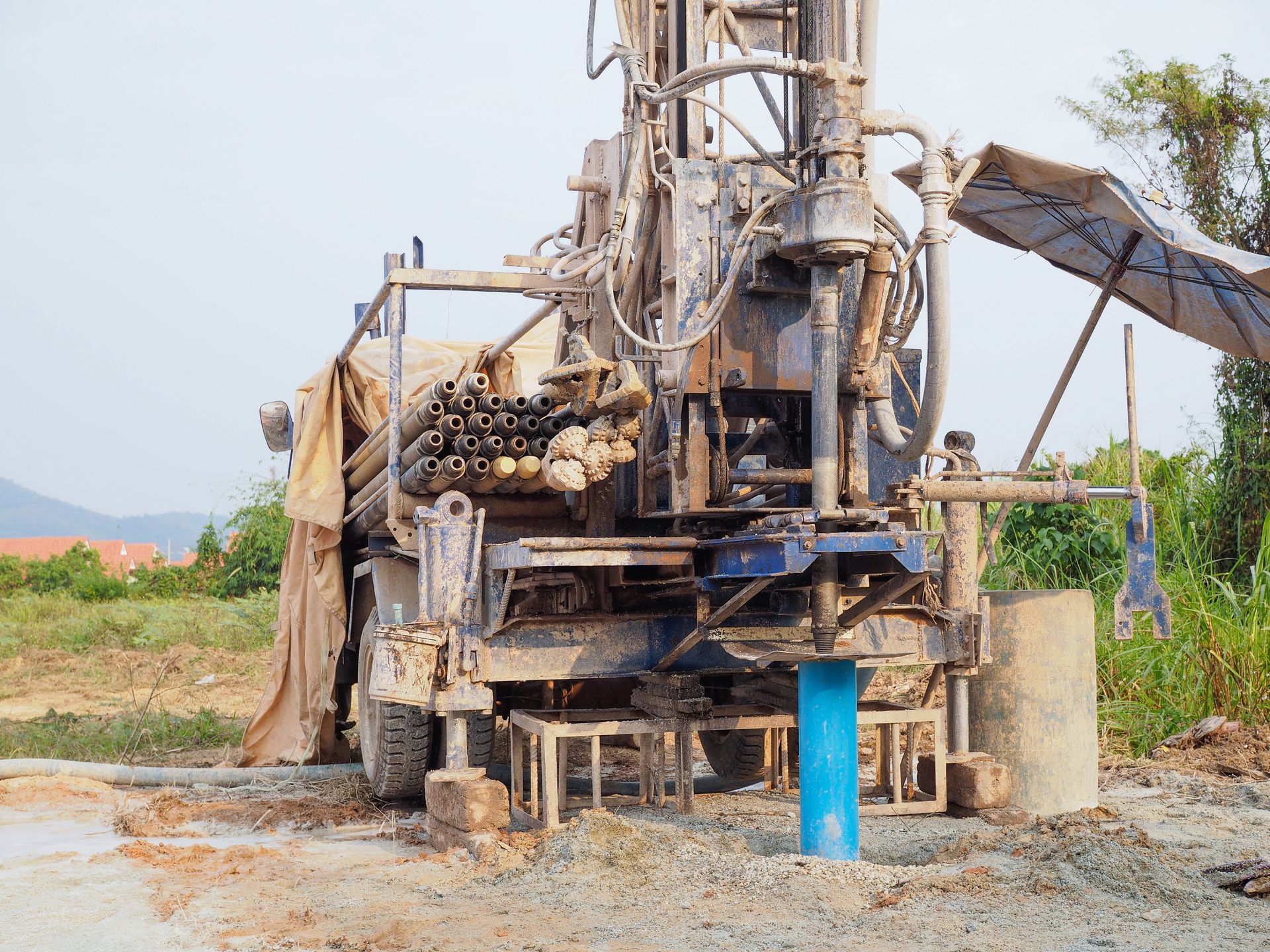
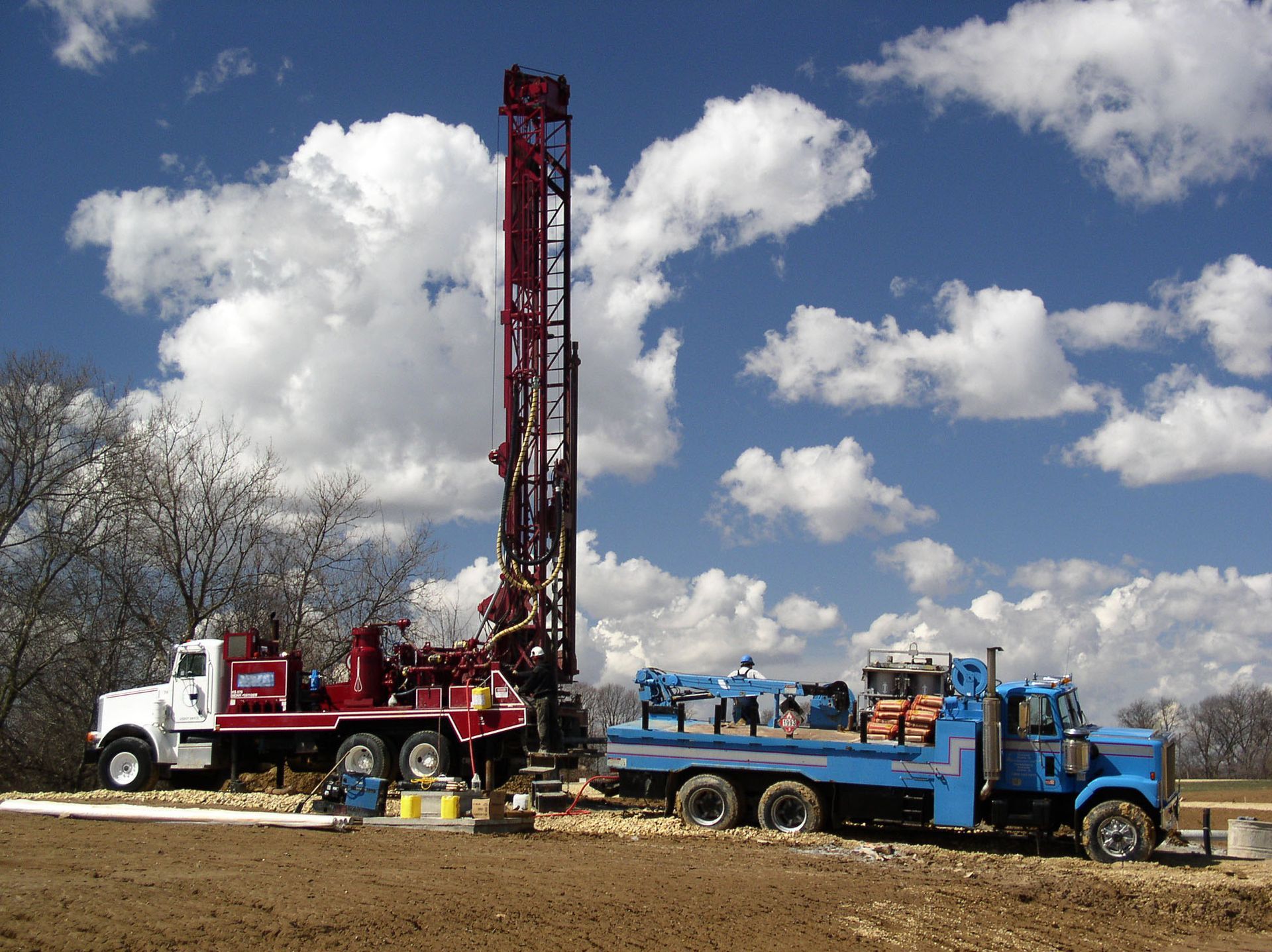
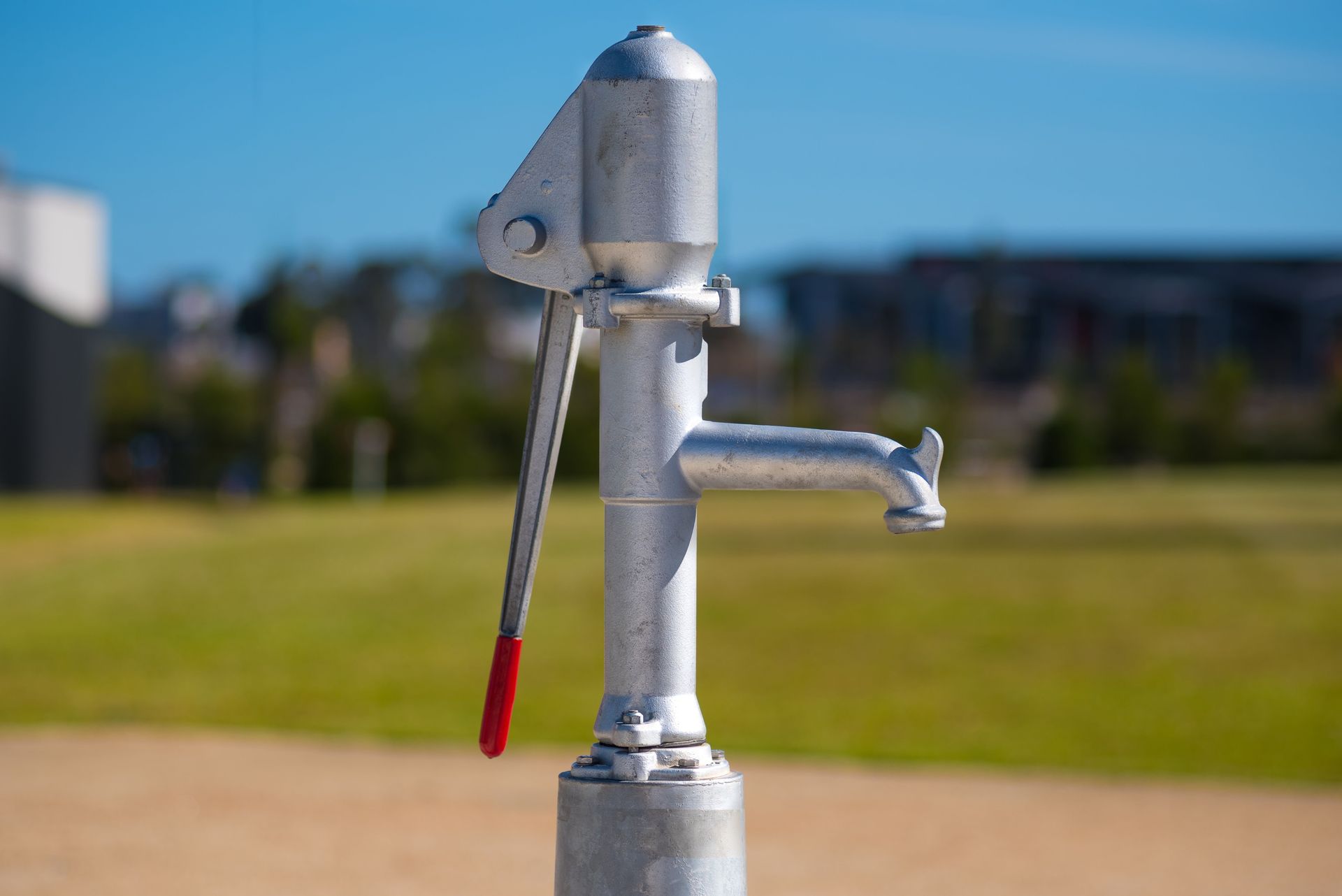
Installing water wells involves a series of calculated steps that begin with site assessment and end with proper sealing and water testing. The process typically starts with a professional survey to identify the best spot considering geological factors. Next, the drilling process follows; according to HomeGuide, a typical residential water well can take one to three days to drill, depending on the depth and soil conditions. Finally, once drilling is complete, the water well casing is inserted to prevent the walls from collapsing, followed by a pump installation to facilitate water extraction.
Once the essential components are installed, attention turns to forming a connection to the domestic plumbing system. Integrating the well with the home's plumbing requires careful planning to prevent backflow and contamination. After connecting the water system, it is crucial to conduct thorough water testing to ensure the water's safety and quality for consumption. These steps form the skeleton of the installation process, but the advice of professionals can ensure greater accuracy and efficiency.
The final stage of water well installation involves sealing and performing a pump test to ascertain the well's yield and performance. It is paramount to ensure that the sealing is robust to protect against surface contaminations entering the water source. Specialists conduct a pump test to determine not only the yield but also to check the functionality of the entire system. Bearing in mind the complexity and expertise required, professional help is essential to bring the water well to successful functioning.
Choose the Right Location for Your Water Well
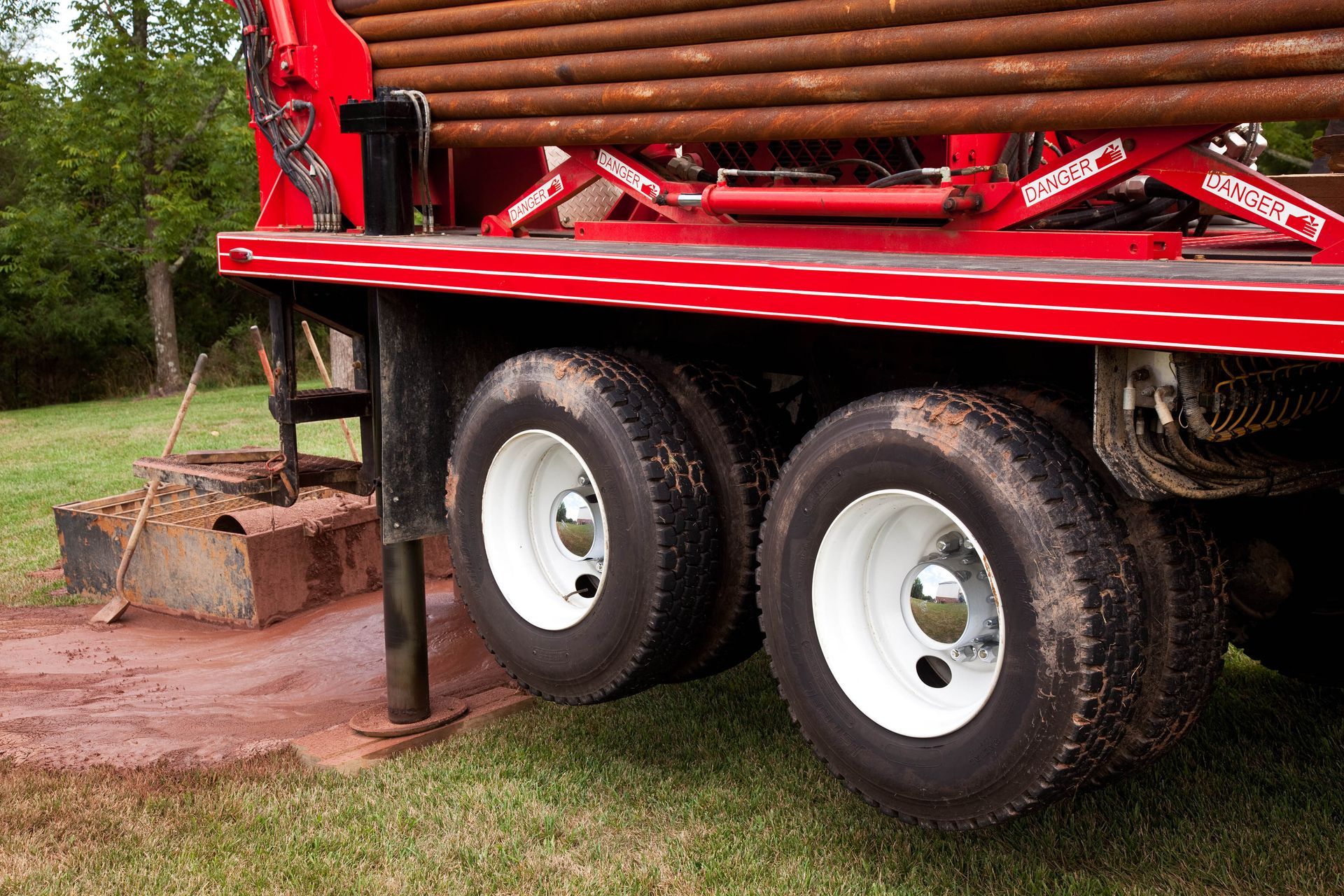
Choosing the right location for water wells is pivotal because it directly impacts the well’s longevity and efficiency. Geological surveys play an indispensable role in locating aquifers and determining the thickness of the Earth's layers. Ensuring the location is distanced from potential pollutants and waste sources such as septic systems is crucial. Moreover, selecting a site that is easily accessible for drilling equipment can significantly aid in streamlining the installation process.
A significant factor in site selection is the water table depth, which influences the drilling depth and subsequently the installation cost and time. Getting acquainted with local sub-surface geology can preempt factors like excessive sediment or rock formations that complicate drilling. Moreover, an area’s historical data regarding groundwater availability can guide expectations regarding well yield and quality. By considering these factors, homeowners can make informed decisions, ultimately affecting the well's efficiency and sustainability.
Communicating with local authorities can provide indispensable insight into the regional characteristics affecting well placement. Local well drillers with expertise in the region bring value through their knowledge of successful and unsuccessful well sites. Additionally, engaging with neighbors who have wells can offer a realistic picture of what might be expected regarding water quality and reliability. The culmination of these insights forms a comprehensive approach to choosing the ideal location for a well installation.
Plan for Water Well Installation Costs
The costs associated with water well installation can vary widely depending on several key factors, including location, depth of the well, and geological conditions. Equipment rental, labor, and materials contribute significantly to the overall cost. Furthermore, additional expenses such as permits, testing, and potential hook-ups to existing plumbing systems should be factored into the budget.
Drilling a deeper well incurs more costs due to requiring more sophisticated equipment and longer labor hours. Additional expenditures can arise from the need for advanced filtration systems, especially in areas where water quality tests return suboptimal results. Maintenance costs should also be anticipated, with periodic inspections and repairs being vital to ensuring the well operates efficiently throughout its lifespan. Understanding these costs upfront can help homeowners budget effectively and avoid unforeseen financial burdens.
Fortunately, there are strategies to manage costs while ensuring the well's functionality and compliance with regulations. Engaging multiple contractors and obtaining quotes can facilitate cost comparisons to obtain the best value. Sustainable practices, such as regular maintenance and addressing minor repairs promptly, can prevent more significant, expensive issues from arising. Consequently, a well-planned budget serves as the backbone to successful water well projects, enabling homeowners to balance quality and cost effectively.
Navigate Permits and Regulatory Requirements
Before embarking on installation for water wells, understanding the legal requirements and obtaining necessary permits is indispensable. Regulations vary significantly by region, reflecting local water use policies and environmental standards. Homeowners typically need to apply for a water well construction permit, which ensures compliance with state and local laws. These regulations address aspects such as well placement, casing depth, and contamination prevention measures.
In some areas, professional licensed drillers must undertake the installation to comply with legal standards. The permitting process may also necessitate environmental assessments to prevent adversely affecting the region's ecosystem. Successfully navigating this regulatory landscape requires a good understanding of local laws and effective communication with regulatory agencies. Consequently, engaging with professionals familiar with the regulatory requirements can streamline the permitting process, ensuring the installation proceeds without undue legal hindrances.
To aid in the seamless acquisition of permits and understanding of regulations, many regions provide comprehensive resources and guidelines. Consulting these resources can provide clarity in the legal obligations and procedural requirements for water well installations. Moreover, some areas offer incentives or grants for wells that contribute to local water conservation efforts. A sound comprehension of the regulatory framework ultimately empowers homeowners to proceed confidently and responsibly, balancing both legal obligations and community resource stewardship.
Maintain Your Water Well for Long-Term Performance
Ensuring the longevity of water wells hinges on regular maintenance practices that keep the system operating efficiently and safely. Scheduled inspections are fundamental, as they help identify issues early before becoming costly repairs. In climates prone to freezing, insulating the pipes can prevent damage and maintain water flow. Regular testing of water quality is equally important to catch any contamination issues, ensuring the water remains potable.
Aside from technical aspects, maintaining a clear area around the wellhead is vital for its protection. Protecting the well from potential contaminants such as chemicals or fertilizers enhances its integrity over time. Continuous education about well maintenance, such as recognizing signs of water pressure changes or strange odors, provides proactive conservation of the well's functionality. Proper record-keeping of maintenance activities and repairs can also aid in troubleshooting future issues.
Working with specialists for water wells for annual maintenance checks can safeguard against a decline in well conditions. Professional services can perform pump tests, assess structural integrity, and conduct thorough cleanings where necessary. Using these insights and services, homeowners can extend their well's lifespan and optimize its performance. Ultimately, diligent maintenance not only ensures a reliable water source but also protects the homeowner's investment in the long run.
Installing a water well on your property is a substantial investment that requires careful consideration and understanding of various factors. From selecting the optimal site to navigating costs and regulatory frameworks, being well-informed equips homeowners to make advantageous decisions. The value of routine maintenance ensures the well remains a dependable water source for years to come. By grasping these essentials, homeowners can confidently embark on the journey of water well installation, securing a reliable, sustainable, and efficient water resource. Reach out to Wahlfield Drilling Co to learn more about water wells today.