
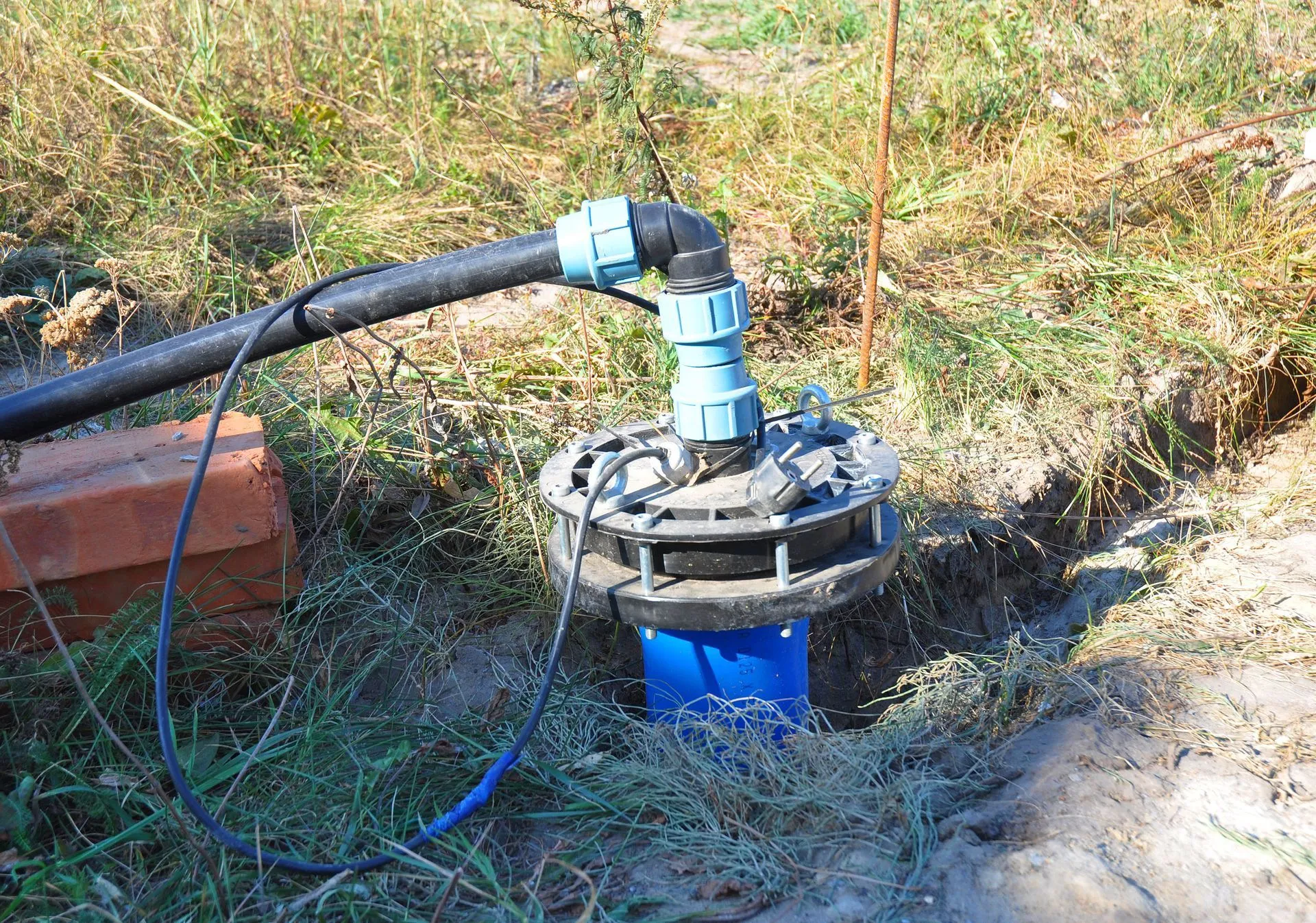
A water well testing service is crucial for ensuring the safety and quality of drinking water from private wells. Although wells can provide a cost-effective and self-sustaining source of water, they also come with responsibilities for ongoing testing and maintenance to prevent contamination. This introduction will set the stage for understanding why regular testing is necessary and the various factors that make water quality monitoring essential for ensuring public safety, environmental protection, and economic stability.
The Basics of Water Well Testing
What is Water Well Testing?
Water well testing involves a series of procedures to analyze the quality and safety of water drawn from natural underground reserves. The primary objective is to identify potential contaminants that could affect health, ranging from bacterial to chemical pollutants. Comprehensive testing also ensures that the water is compliant with health and safety standards set at various governmental levels. By measuring aspects such as pH levels and the presence of heavy metals, water well testing helps maintain the well's safety and reliability as a source of drinking water. Regular testing with a water well testing service is an essential part of responsible water well ownership, ensuring that the resource remains viable.
Types of Tests Conducted
The types of tests conducted during water well inspections include microbial, chemical, and radiological assays. Microbial tests search for pathogens such as coliform bacteria and E. coli, which are indicators of fecal contamination. Chemical analyses often test for harmful elements like nitrates, arsenic, and lead, which can affect both short-term and long-term health. Radiological tests are less common but involve detecting radioactive substances like radon or uranium. These varied types of tests ensure a holistic overview of the well's water quality, significantly enhancing safety measures.
The Role of Professionals in Water Testing
Professionals trained in water testing carry out precise and accurate measurements that determine the safety of the water supply. Their expertise allows them to use sophisticated equipment and protocols to provide reliable results. By maintaining standards of operation and following regulated procedures, they ensure that testing is both accurate and legally compliant. Professionals interpret test results to offer actionable recommendations for improving water quality. Their role is critical in translating complex data into understandable insights for well owners and community stakeholders.
Frequency of Testing Recommendations
The frequency of a water well testing service is generally recommended on an annual basis, although some circumstances may require more frequent inspections. Changes in taste, odor, or clarity of water are immediate red flags mandating further evaluation. Events such as flooding, nearby construction, or agricultural activities could introduce new contaminants, suggesting a need for additional testing. Ensuring the well is at least 100 feet deep, according to Forbes, can minimize contamination but does not eliminate the need for regular checks. Following local and national guidelines for testing frequency ensures the continued safety and usability of well water.
Health Implications of Contaminated Water
Common Contaminants Found in Wells
Common contaminants in water wells include microbial pathogens, heavy metals, and agricultural chemicals. Pathogens such as E. coli and viruses pose significant health risks, particularly in wells that lack proper sealing. Heavy metals like arsenic, lead, and mercury are dangerous over long-term exposure, potentially leading to severe neurological and developmental issues. Agricultural run-off introduces nitrates and pesticides, which can affect the quality of drinking water and result in health conditions such as methemoglobinemia. Identifying these contaminants through regular testing is critical for maintaining water safety.
Short and Long-term Health Risks
Contaminated well water can result in both immediate and chronic health issues. Short-term exposure to pathogens often leads to symptoms like diarrhea, nausea, or vomiting, particularly in vulnerable populations. Long-term exposure to contaminants such as heavy metals and nitrates has been associated with serious conditions, including cancer and developmental disorders. Pregnant women and small children are particularly at risk from contaminated drinking water, necessitating stringent testing and treatment measures. The long-term health risks stress the necessity for ongoing water well assessments and improvements in water quality management.
Vulnerable Populations
Furthermore, vulnerable populations, including young children, the elderly, and those with compromised immune systems, are especially at risk from drinking contaminated well water. Infants who consume formula made with contaminated water can experience serious illnesses due to their small body size and developing systems. The elderly, who may have pre-existing health conditions, are similarly more affected by contaminants. Addressing the specific needs of these vulnerable groups ensures the broader safety of the community. Awareness and proactive testing can prevent exposure to harmful substances, protecting the most at-risk individuals.
Symptoms of Water Contamination
Symptoms of water contamination include gastrointestinal upset, such as diarrhea, abdominal pain, and nausea. Chronic exposure may manifest as skin rashes, fatigue, and more severe systemic issues, depending on the contaminants involved. People with compromised immune systems might experience heightened symptoms and complications. It's essential to recognize these signs early and explore potential sources of contamination, leading to timely diagnosis and intervention. Consistent monitoring and testing with a professional water well testing service are vital for detecting contamination early and mitigating its health effects.
Environmental Impact of Untested Water Sources
The Ecosystem and Groundwater Relations
Groundwater plays an essential role in maintaining healthy ecosystems, supporting plant life, and sustaining local wildlife populations. When groundwater becomes contaminated due to untested or poorly maintained wells, this can upset the ecological balance, causing plant and animal populations to suffer. For example, the introduction of excess nutrients from agricultural runoff can stimulate algae blooms, depleting oxygen needed by aquatic organisms. Therefore, regular well testing not only protects human health but also preserves delicate ecosystems that depend on clean water.
Contamination's Impact on Local Wildlife
Additionally, local wildlife faces severe threats from contaminated water wells, particularly when pollutants seep into connected water bodies. Aquatic species are highly sensitive to changes in water quality, and pollution can lead to disruptions in breeding, feeding, and migration patterns. Toxic substances like pesticides and heavy metals can accumulate in organisms, leading to bioaccumulation and biomagnification in the food chain. Species with low population numbers are especially susceptible to these impacts, which could threaten their survival. Therefore, maintaining clean, well water is vital for protecting biodiversity and the health of local ecosystems.
Effects on Agriculture and Plant Life
Agriculture relies heavily on groundwater for irrigation, and contamination can result in dire consequences for crop health and productivity. Poor-quality water can introduce harmful substances to the soil, affecting not only crop yields but also soil vitality and future agricultural use. Plant life suffers similarly, as exposure to contaminated irrigation water may stunt growth and decrease biodiversity. Crop contamination raises concerns about food safety and the potential for contaminants to move up the food chain.
Preventing Environmental Degradation
Preventing environmental degradation requires a proactive stance on water well testing and maintenance. Steps include regularly scheduled assessments and investing in advanced filtration and purification technologies. Implementing the best management practices in agriculture and development decreases the risk of pollutants entering water systems. Public education campaigns about the importance of maintaining clean wells can enhance community engagement in environmental stewardship.
A water well testing service plays a critical role in protecting public health, the environment, and economic interests. From understanding the technicalities of well testing to comprehending the vast implications of contamination, it is clear that safe water cannot be taken for granted. For a water well testing service, contact us at Wahlfield Drilling Co today.